Overview
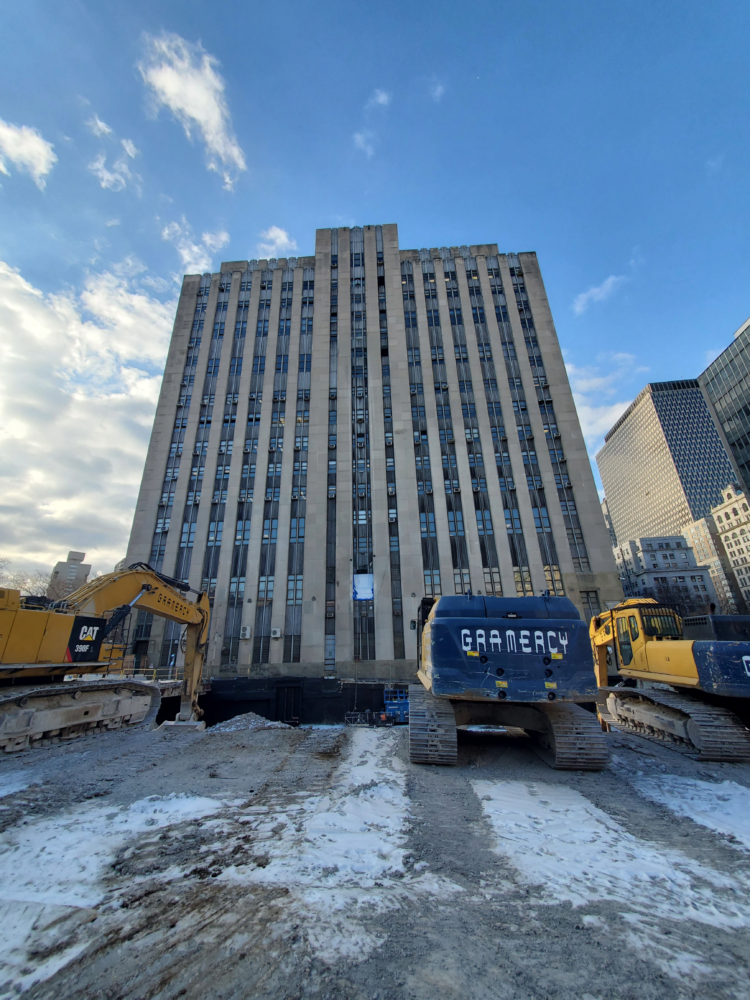
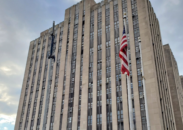
In 2017, New York City announced plans to close the jails on Rikers Island and replace them with a smaller, borough‑based system of modern detention facilities in Manhattan, Brooklyn, Queens, and the Bronx. The Manhattan phase of the project began with the dismantling of the existing Manhattan Detention Complex. This critical first step enables future construction of the new borough‑based facility and supports the City’s long‑term justice reform efforts.
About the Project
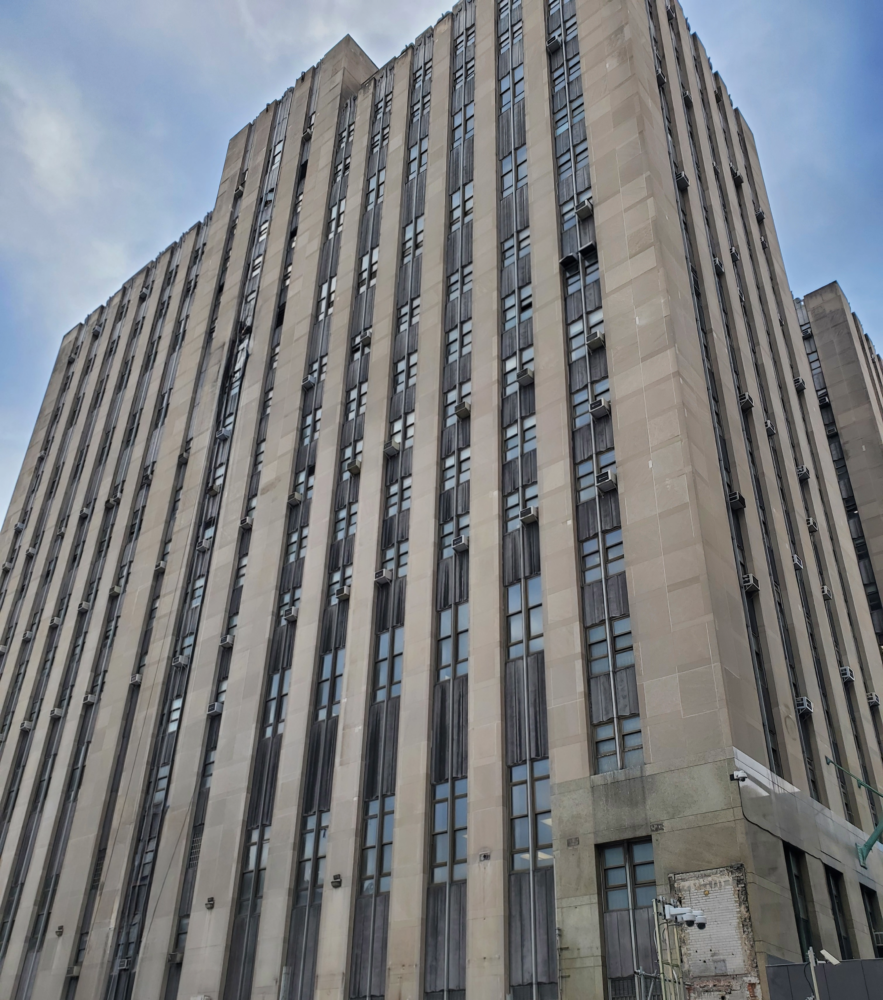
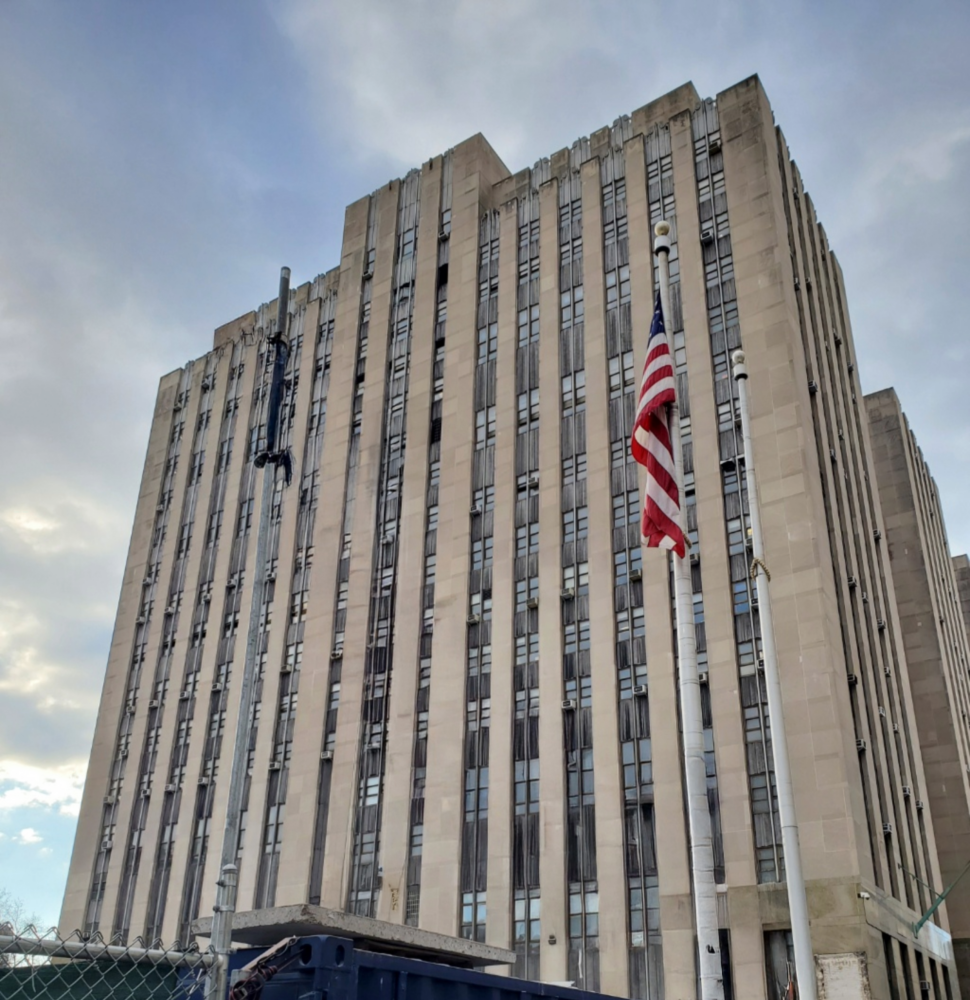
The project site at 124-125 White Street in Manhattan’s Civic Center neighborhood was formerly occupied by the Manhattan Detention Complex, which included a 16‑story North Tower and a 16‑story South Tower. The South Tower was connected to the adjacent Manhattan Criminal Courthouse, built in 1941, through a series of above-ground and below-ground passageways, including bridge connections on the 3rd and 12th floors.
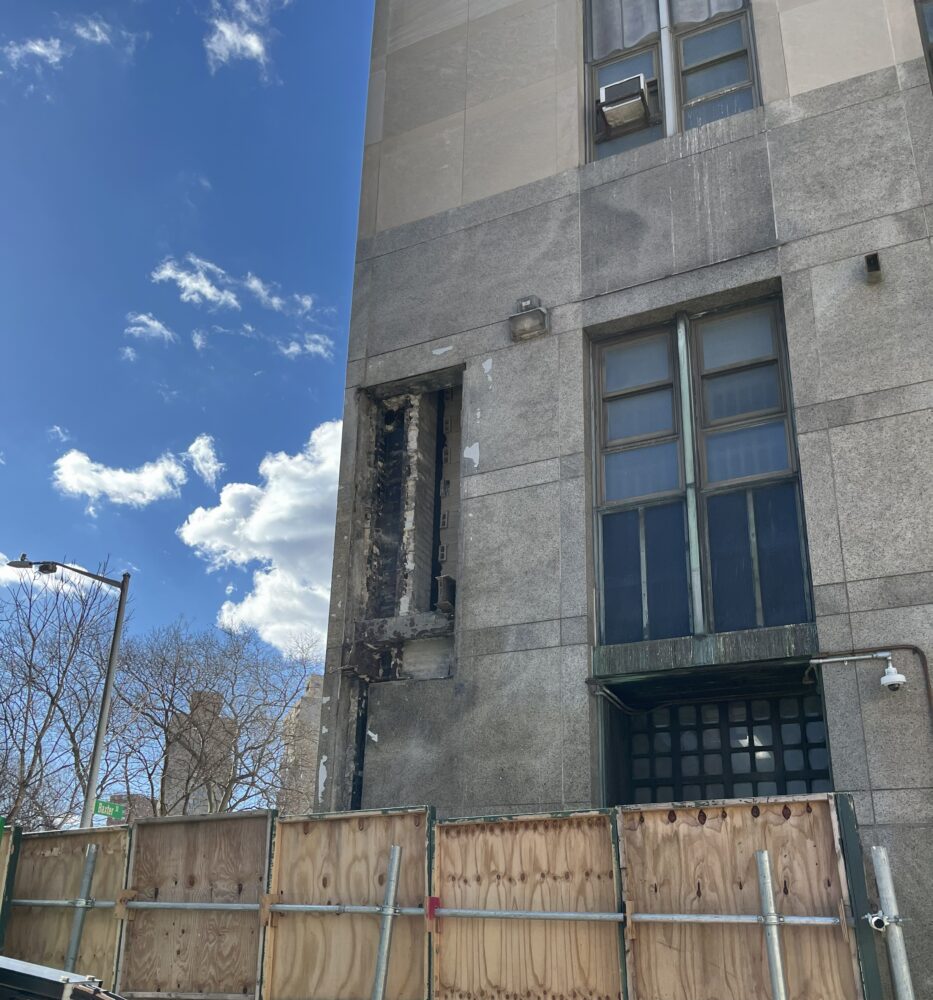
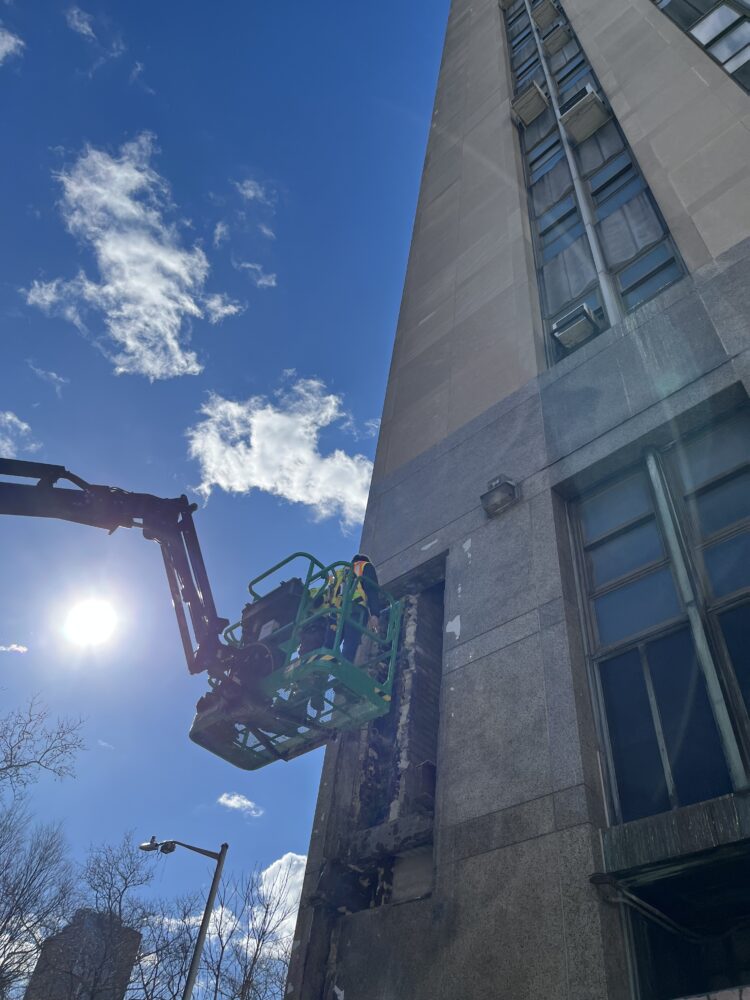
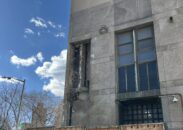
As part of the dismantle, LiRo-Hill’s Civil and Structural Engineering Team supported the effort to close off the large façade and wall openings remaining on the courthouse after these interbuilding bridges were removed. Due to limited documentation on the original courthouse structure, the team coordinated extensive structural probes and façade investigation, including using boom lifts for hands‑on access, to better understand existing conditions.
Project Challenges & Solutions
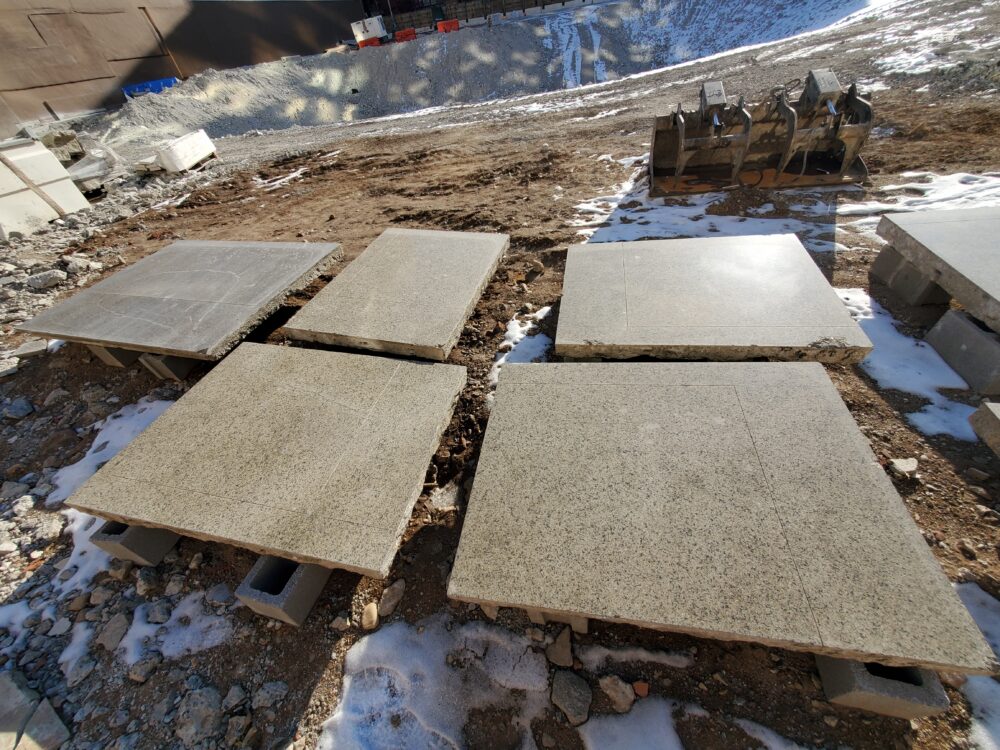
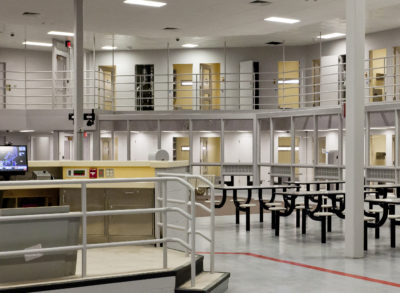
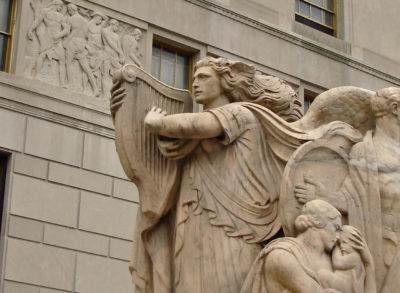
Because the Manhattan Detention Complex remained fully operational throughout the process, LiRo-Hill collaborated with NYCDDC to meet the strict security requirements while coordinating with the architectural team to incorporate salvaged granite panels and develop durable anchorage and waterproofing details that preserved the courthouse’s historic character.
Limited documentation of the historic 1941 courthouse, combined with complex conditions uncovered after the removal of the Manhattan Detention Complex connection bridges, presented significant challenges for the project. To evaluate and clarify these unknowns, LiRo‑Hill performed targeted structural probes and detailed façade investigations, allowing the team to design custom structural steel and cold‑formed steel infill systems that fit the irregular existing conditions.