Overview
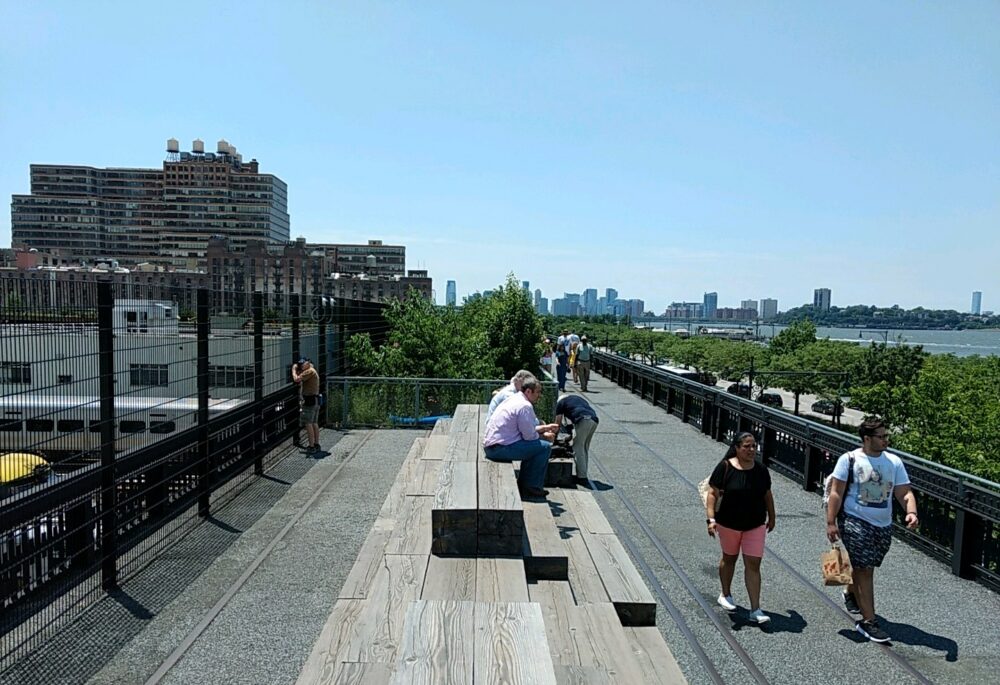
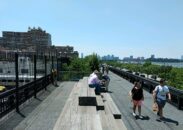
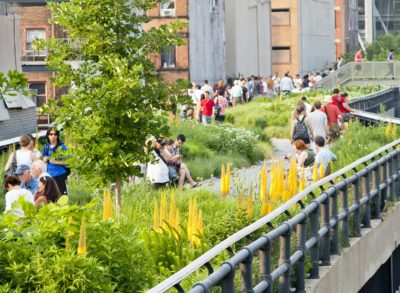
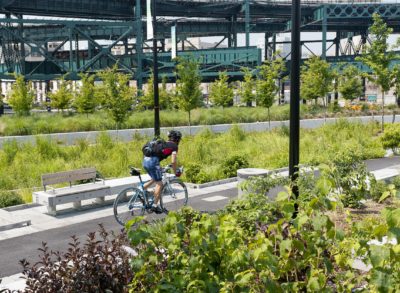
The High Line Park is an elevated park on Manhattan’s West Side that has gained worldwide acclaim since its opening in 2009. The elevated railway, built in the 1930’s to serve New York’s meat packing industry, ceased operation in the 1970s and sat vacant for over three decades. Two New York City agencies (New York City Economic Development Corporation (EDC) and New York City Department of Parks and Recreation (DPR)) collaborated to convert the structure, once slated for demolition, into an elevated urban park. Measuring 1.45 miles long and totaling 6.7-acres, the High Line’s promenade is longer than that of Central Park.
LiRo-Hill had been involved as the Owner’s Representative during the park’s creation. Following the park’s opening LiRo-Hill continued to provide civil and structural engineering services related to biennial inspections, structural inspections of the concrete deck, structural repairs to the steel superstructure, bird deterrence measures, steel painting, and developer coordination.
About the Project
LiRo-Hill provided engineering support related to the park’s operation and expansion of Phase III. These assignments spanned multiple phases of the High Line’s development, rehabilitation, and ongoing stewardship. Working in close coordination with public agencies, private developers, and operations stakeholders, LiRo-Hill supported the planning, design, construction, and maintenance of this iconic elevated park.
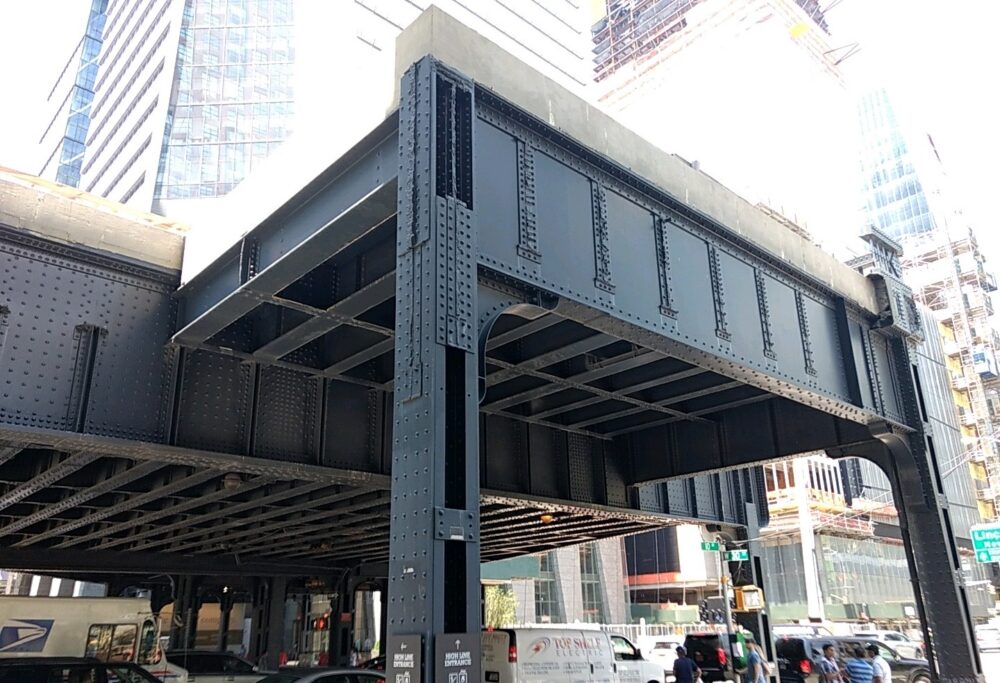
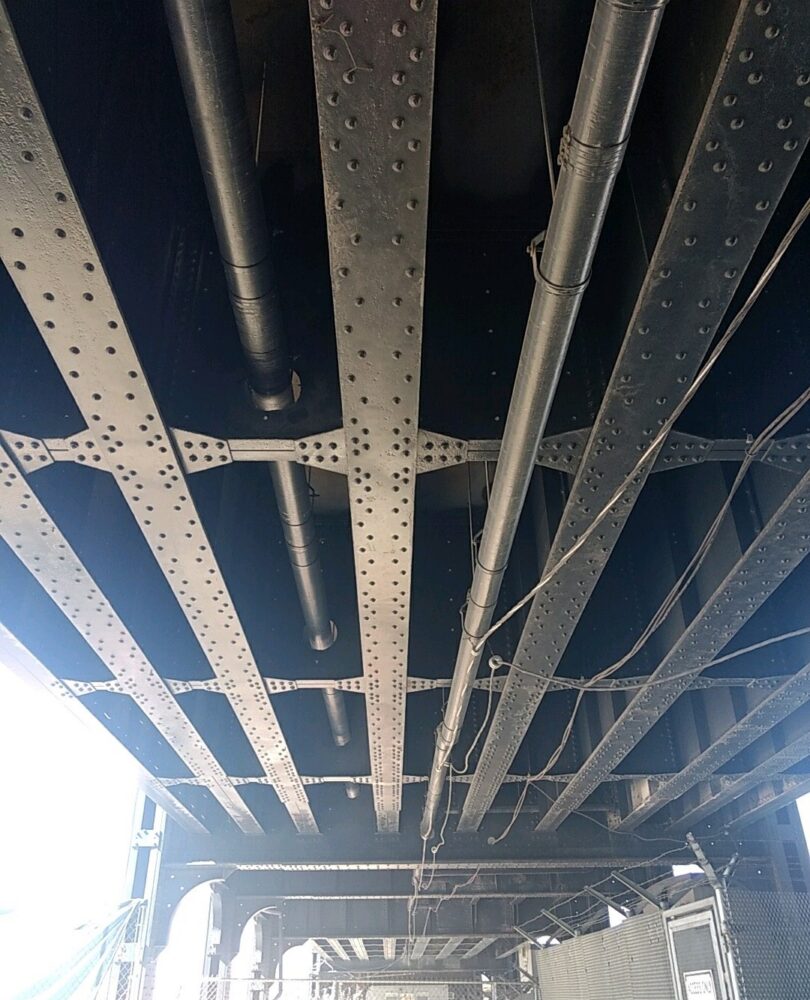
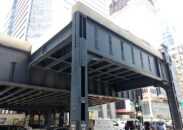
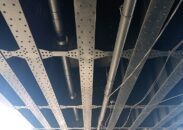
- Biennial Inspections: LiRo-Hill delivered NYSDOT-mandated biennial structural inspections in 2015 and 2017 in accordance with the NYSDOT Inspection Manual and NYSDOT Bridge Inventory Manual guidelines, as well as applicable New York State and New York City codes. This included the inspection and inventory of documented deterioration, load rating calculations, photo logs, and prioritized repair recommendations with associated cost estimates. These inspection efforts required extensive coordination with transportation agencies, utilities, law enforcement, and local stakeholders to safely access the structure in a dense urban environment. The work zone traffic control required NYCDOT approval, the NYPD to restrict parking under the structure, Citi Bike to deactivate docking stations, and landowners to schedule inspections over their properties.
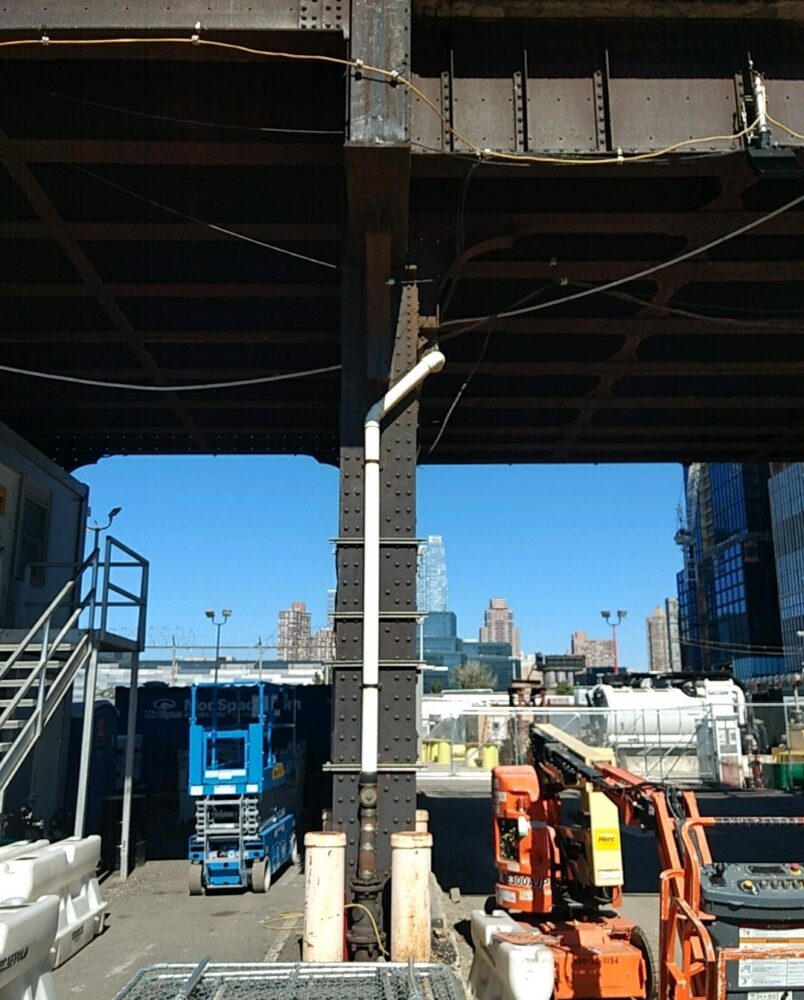
- Section III Structural, Bird Deterrence, and Drainage Engineering Services: LiRo-Hill conducted pre-design services related to the evaluation of the concrete deck in Section III. This involved oversight of concrete cores being taken for testing and concrete sounding of the slab’s underside. At the 10th Avenue Spur additional investigations were conducted of the structure given that it extends over the roadway. Since the High Line passes over Hudson Yards NYC EDC looked to ensure rail yard operations are not impacted. LiRo-Hill evaluated the existing drainage system and recommended repairs. Bird deterrence measures were designed om select areas of Hudson Yards with construction drawings, construction estimates, and specifications prepared for solicitation.
Targeted Inspection and Repair Procedures: LiRo-Hill conducted targeted inspections of areas thought to have deterioration and made inspection reports summarizing our findings and recommendations. Developer Coordination Activities: The High Line’s success as an attraction spurred development. LiRo-Hill supported the High Line as various properties were constructed which intertwined with the structure. LiRo-Hill conducted engineering services for various structural repairs, bird deterrence installations, and steel painting in preparation for the development as well as overseeing the developer’s contractors when they were working within proximity of the High Line’s elevated structure.
Project Challenges & Solutions
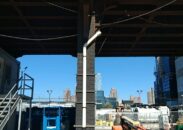
The High Line is a unique park that spans private properties and the public right of way which makes it difficult to classify in most standard regulatory guidelines. The structure had also been abandoned for a significant amount of time and in many ways the adjacent properties had interwoven with the structure. Some private owners had integrated structures with the steel viaduct superstructure serving as a roof for an enclosure below. This logistically made it challenging to inspect the structure without disrupting the existing operations and ensure that these modifications were accurately accounted for in structural analysis. Aside from coordination with each landowner there were numerous regulatory reviews required, due to the complex nature of the project, from agencies such as the U.S. Environmental Protection Agency and the New York City Buildings Department. LiRo-Hill overcame these challenges through clear communication between all stakeholders and consistent scheduling.
Outcome
What was once derided as a community blight and eyesore, the High Line has received worldwide attention and acclaim, attracting two million visitors in its first year. The park has also been a catalyst for numerous headline-making construction projects, such as the Caledonia condominiums at 18th Street; the HL23 Project, a condominium at the High Line at 23rd Street; and The Standard Hotel, which straddles the park. And, as another indication of the High Line’s growing importance, the Whitney Museum of American Art constructed a 200,000 sf building at the foot of the High Line, which opened in 2015.
Collectively, LiRo-Hill’s work helped preserve the safety, functionality, and long-term resilience of the High Line while supporting its continued success as a landmark public space on Manhattan’s West Side.